Beginner Guide to Oven-Roasting Meat with a Great Crust
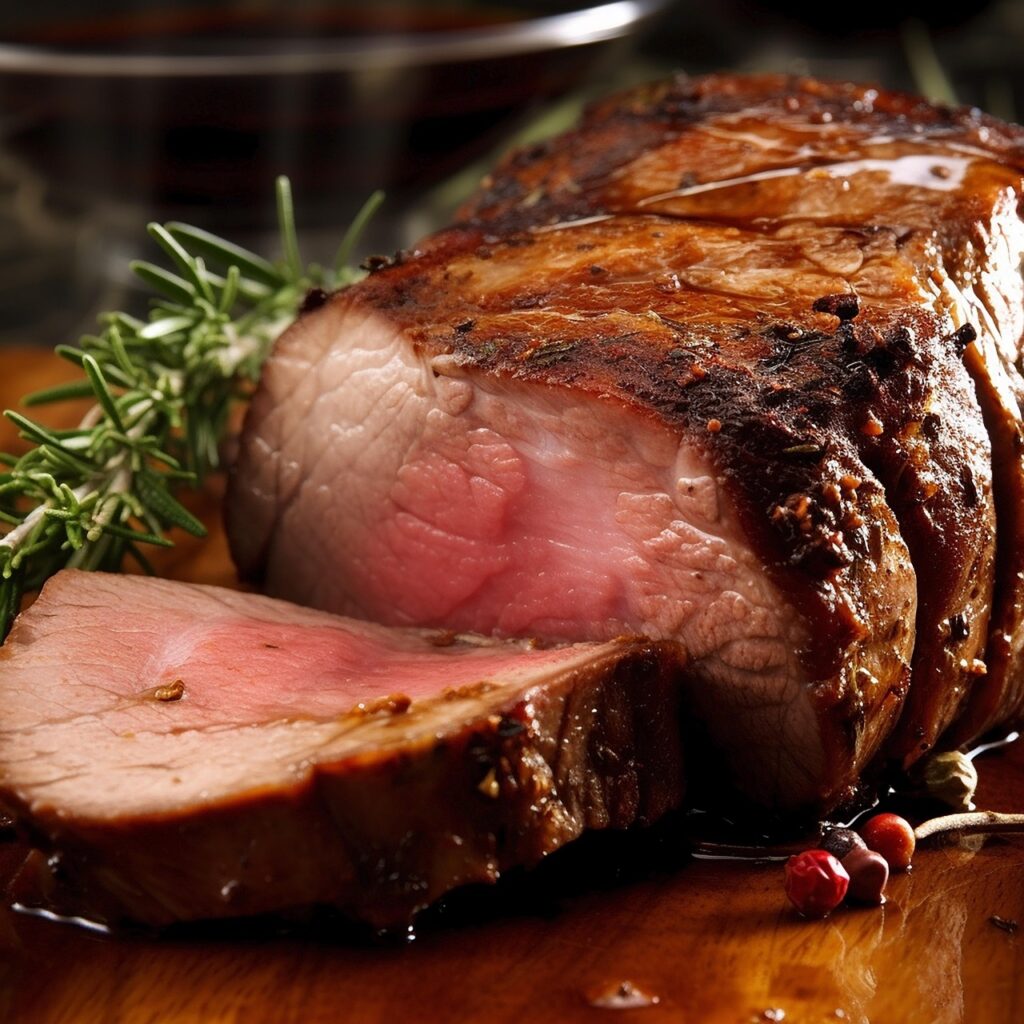
There is nothing quite like pulling a beautifully browned, aromatic roast out of the oven for a Sunday lunch. For many beginners, the biggest challenge is getting that irresistible, flavour-packed crust on the outside while keeping the inside tender and juicy. The secret is not complicated equipment or fancy ingredients, but rather a simple understanding of how heat, moisture, and fat work together in your oven. Whether you are preparing a quick weeknight dinner or a proper weekend feast, mastering this technique will take your home cooking to the next level.
What you need
- A reliable cut of meat suitable for roasting, such as a thick beef rump, a pork shoulder, or a whole chicken
- Coarse salt and freshly cracked black pepper
- A little cooking oil with a high smoke point, like sunflower or canola oil
- A heavy-bottomed roasting pan or cast-iron skillet
- A kitchen thermometer to check doneness accurately
Step by step
- Take your meat out of the fridge about thirty minutes before cooking. Bringing it to room temperature helps it cook evenly and encourages a better crust.
- Pat the meat completely dry with paper towels. Moisture is the number one enemy of a good crust, as it creates steam instead of browning.
- Rub the meat lightly with oil, then season generously all over with salt and pepper. The salt draws out surface moisture initially and creates a savoury exterior.
- Preheat your oven to two hundred degrees Celsius. A hot oven is essential for kick-starting the Maillard reaction, which creates that wonderful golden-brown colour and deep flavour.
- Place the meat in your roasting pan and put it straight into the hot oven. Roast until the internal temperature reaches your desired level of doneness.
- Remove the meat from the oven and transfer it to a warm cutting board. Let it rest for at least ten to fifteen minutes before slicing so the juices can redistribute.
Common mistakes
- Skipping the drying step and leaving the meat wet, which results in a grey, steamed exterior instead of a roasted crust
- Crowding the roasting pan with too many ingredients, trapping moisture around the meat
- Slicing the meat immediately after removing it from the oven, causing all the delicious juices to run out onto the board
- Setting the oven temperature too low, which cooks the inside before the outside has a chance to brown properly
Safety notes
Always keep children and pets well away from the oven door and hot roasting pans while cooking. Use thick oven mitts when handling hot metal cookware, and place hot trays securely on heat-resistant surfaces. When cooking poultry, minced meat, or sausages, always ensure they are cooked right through to the centre with no pink meat remaining. Check temperatures using a reliable food thermometer to ensure safe dining for your family and guests.
Quick tips
For extra flavour, you can press crushed garlic, dried herbs, or spices into the oiled meat before roasting. If you want an even deeper crust, sear your meat in a hot frying pan on the stove for two minutes per side before transferring the pan straight into the oven. Always let your meat rest uncovered; covering it with foil can trap steam and make your hard-earned crust soggy.